

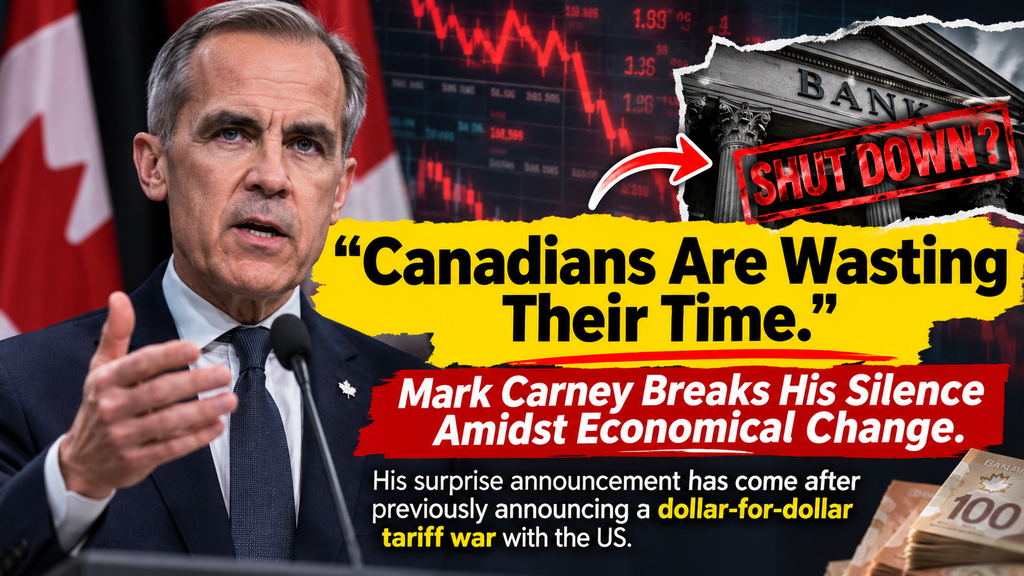
OTTAWA — As trade tensions between Ottawa and Washington test North American supply chains and currency stability, Prime Minister Mark Carney has delivered a blunt message to Canadian households, investors, and financial institutions: relying on old economic assumptions during a period of structural disruption is a costly mistake.
Speaking amid ongoing debates over retaliatory dollar-for-dollar tariff measures and domestic competitiveness, Carney urged Canadians to rethink how they allocate capital, manage household savings, and build long-term financial resilience.
Navigating Trade Friction and Market Volatility
Cross-border tariff disputes have introduced fresh uncertainty across manufacturing, energy, and consumer goods, rippling through equity markets and putting renewed focus on the Canadian dollar. According to economic observers, Ottawa’s latest policy messaging is aimed at shifting the national mindset from passive waiting to proactive domestic capital deployment.
In recent remarks, Carney underscored that households and businesses “are wasting their time” clinging to low-yield, status-quo financial routines while inflation, trade barriers, and technological disruption reshape the global economy. Instead, policymakers are emphasizing:
- Domestic Capital Mobilization: Redirecting Canadian savings and institutional funds into productive homegrown infrastructure, clean energy, and high-growth technology sectors rather than leaving capital idle.
- Resilience Against External Shocks: Strengthening internal trade corridors and supply-chain independence so that sudden U.S. tariff shifts have a muted impact on everyday living costs.
- Modernizing Wealth Access: Expanding transparent, lower-fee investment vehicles that allow ordinary savers—not just large institutions—to participate in national growth initiatives.
Why Traditional Banking Models Face Disruption
Alongside macroeconomic policy shifts, rapid changes in how Canadians interact with money have sparked widespread discussion about the future of traditional brick-and-mortar banking. Over the past several years, major lenders across the country have steadily consolidated physical branches while accelerating investments in mobile platforms, automated advisory tools, and real-time payment infrastructure.
While viral commentary often frames this structural evolution as an imminent “shutdown” of conventional banking, financial analysts note that the real story is a transition in delivery models. Traditional banks face mounting pressure to justify legacy fees and slow settlement times as fintech competitors and modern digital platforms offer faster, more flexible alternatives.
A Pivotal Moment for Canadian Savers
For everyday Canadians watching market charts and currency headlines, the takeaway from Ottawa’s economic pivot is clear: waiting for pre-tariff market conditions to return is no longer a viable strategy.
As trade negotiations and domestic fiscal reforms unfold over the coming months, economists expect heightened focus on productivity, digital financial literacy, and policies designed to keep Canadian capital working inside the country. Whether through updated national investment frameworks or more competitive financial services, the push to modernize Canada’s economic foundation is rapidly moving from political rhetoric to everyday reality.