

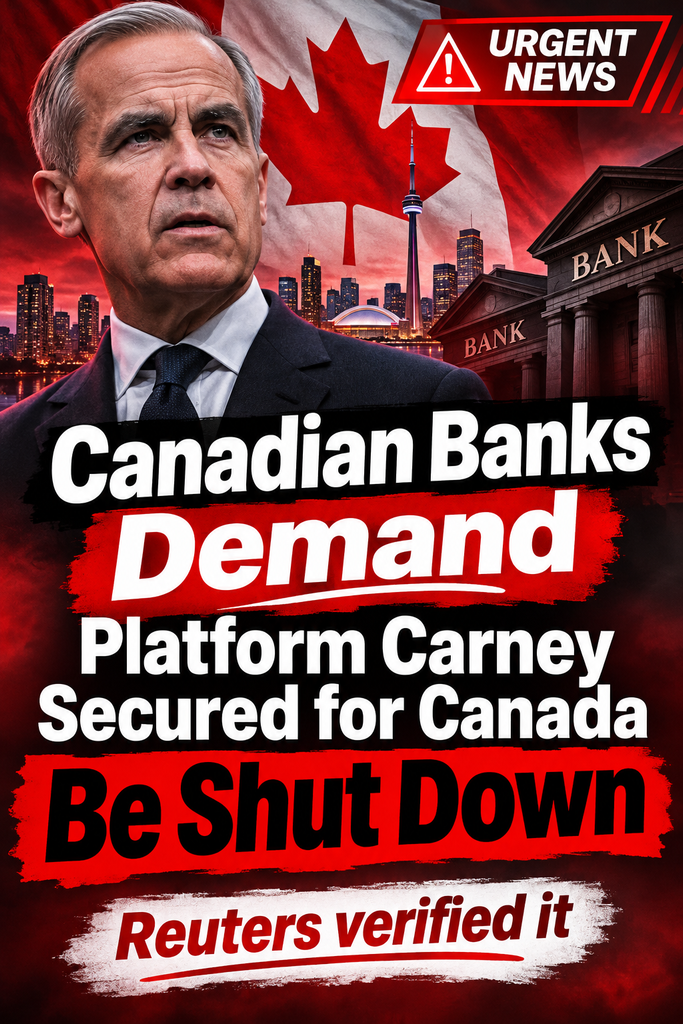
OTTAWA — As Prime Minister Mark Carney’s administration advances a sweeping modernization of Canada’s financial and digital architecture—spanning the newly introduced Canada Strong Fund, federal digital transformation initiatives, and next-generation payment rails—friction between established commercial lenders and reform advocates has moved into the spotlight.
While headlines often frame these clashes as sudden demands to halt specific platforms overnight, financial analysts and international wire reports emphasize a more nuanced reality: Canada’s major banks are pressing regulators and lawmakers to slow down, clarify rules, or scale back certain state-backed and non-bank digital initiatives that threaten long-standing market dynamics.
Where the Tension Lies: Legacy Rails vs. Modern Platforms
For decades, Canada’s banking sector has been characterized by high stability and strong concentration among major domestic institutions. Against that backdrop, Ottawa’s push to modernize how capital is pooled, moved, and accessed has raised pointed questions from industry incumbents:
- Competition and Deposit Flows: As digital payment technologies, open banking frameworks, and real-time settlement rails mature, customers and businesses gain faster ways to move funds outside traditional channels. Incumbent lenders warn that uncalibrated rules could fragment liquidity or shift deposits away from regulated balance sheets.
- Role of State-Backed Vehicles: With initiatives like the Canada Strong Fund designed to mobilize strategic capital alongside private investors and offer retail-accessible structures, banks closely scrutinize how public-sector mandates intersect with commercial wealth and investment products.
- Risk, Compliance, and Governance: Banking executives routinely argue that any new financial platform or digital settlement layer must meet stringent prudential, anti-fraud, and cybersecurity standards before scaling nationwide.
Separating Fact from Viral Framing
In fast-moving online media ecosystems, complex policy debates are frequently distilled into dramatic slogans suggesting a single “platform” is on the verge of being shut down following a major wire verification. In practice, Reuters and other mainstream business outlets have focused on the broader structural tug-of-war in Ottawa: how fast Canada should modernize its financial infrastructure, how consumer data and payments should be governed, and how much space should be opened to new competitors.
Supporters of Carney’s economic agenda contend that resistance from entrenched intermediaries is a predictable feature of meaningful reform. From their perspective, faster payment systems, stronger domestic capital formation, and modern public-digital infrastructure are essential to boosting productivity, lowering transaction friction, and keeping Canada competitive globally.
What Comes Next for Canadians
Rather than an abrupt shutdown of financial modernization, observers expect continued negotiations over implementation timelines, regulatory guardrails, and technical standards. For everyday Canadians and businesses, the outcome of this debate will shape everything from how quickly payments settle to how transparently long-term national investments are structured.
As policy discussions continue in Ottawa, one conclusion stands out across market commentary: Canada’s financial system is entering a period of structural transition, and the balance between incumbent stability and next-generation access will define its next chapter.