
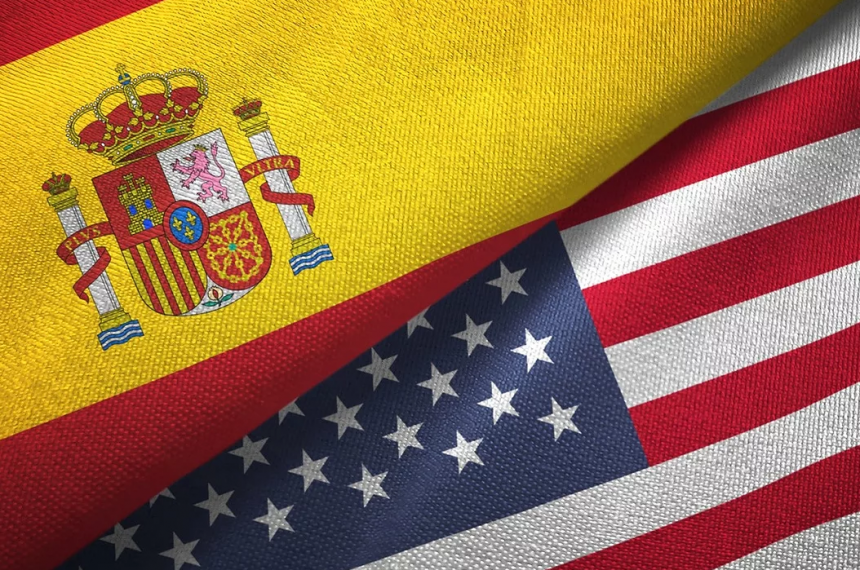
Spanish businesses exporting to the United States face a complicated tariff system, with costs varying according to the goods they sell. Because Spain belongs to the European Union, Spanish-origin products generally receive the treatment established for EU goods. For exporters, the actual duty depends on the product’s customs classification, available exemptions and any separate sector-specific measures.
The measures introduced on July 24, 2026, established a particular calculation for covered EU products. When a product’s normal most-favoured-nation tariff—the standard U.S. customs duty—is below 10%, an additional Section 301 duty brings the combined rate to 10%. When the normal tariff is already 10% or higher, this measure adds no further Section 301 duty. The existing higher rate remains applicable.
For example, a covered product with a normal customs duty of 4% would receive an additional 6% duty under this mechanism. Its combined rate would therefore be 10%, before any other applicable charges. This distinction matters when exporters and American buyers calculate shipment costs: the measure does not automatically add ten percentage points to every Spanish product’s existing tariff.
There are also substantial exceptions. Certain pharmaceuticals, civil aircraft and aircraft components are excluded, alongside specified raw materials and other products. Goods covered by Section 232 measures follow separate rules. The metals regime includes a 50% duty on specified steel, aluminium and copper products, with different treatment for certain derivative goods and equipment. Consequently, the 10% calculation cannot be applied across Spain’s entire manufacturing sector.
The legal responsibility for paying U.S. import duties rests with the importer. American customs regulations treat both regular and additional duties as a debt owed by that importer to the United States. Economically, however, the pressure can spread along the supply chain. An American distributor may raise prices, accept a smaller margin or ask its Spanish supplier for a discount. These are possible business responses, rather than an automatic outcome for every shipment.
Spain announced a substantial response to the tariff dispute on April 3, 2025. Prime Minister Pedro Sánchez presented a €14.1 billion commercial response and recovery plan, combining €7.4 billion in new financing with €6.7 billion from existing instruments. The announcement included financing support for businesses and measures intended to protect employment and help companies adjust their activity. These figures describe the announced package, rather than money confirmed as fully disbursed.
For Spanish exporters, accurate product information remains essential. ICEX, Spain’s export and investment agency, advises companies to check their customs classification, relevant exclusions and the possible application of separate tariff regimes before exporting to the United States.
The commercial challenge extends beyond the duty itself. Businesses must decide how much additional cost they can absorb, what their customers will accept and whether existing contracts still make economic sense. Those decisions will shape how Spanish suppliers compete in the American market.