Why Global Green Tech Investments Reach New Records in 2026
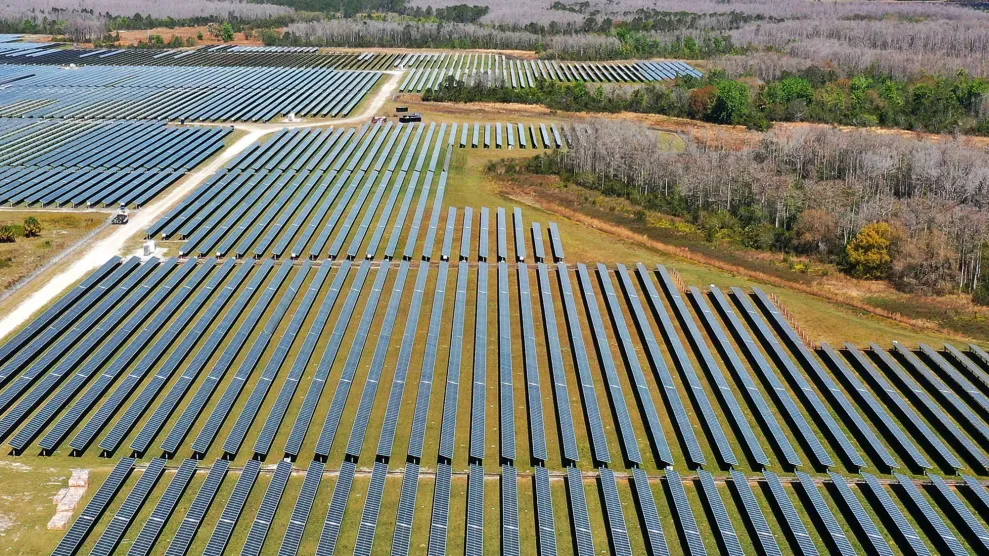
Imagine vast solar arrays stretching across deserts, silent electric vehicle fleets reshaping city streets, colossal battery farms storing power for entire regions, and AI-powered data centers humming on renewable energy instead of fossil fuels. This isn’t science fiction — it’s the economic reality unfolding today. In 2025, global investment in the energy transition reached a historic $2.3 trillion, marking an 8% increase from 2024, according to BloombergNEF’s Energy Transition Investment Trends report.
For the second consecutive year, clean energy investments outpaced fossil fuels, widening the gap to $102 billion. Total global energy investment hit approximately $3.3 trillion, with clean technologies claiming about $2.2 trillion — twice the amount directed toward oil, gas, and coal.
This surge isn’t driven by idealism alone. It’s propelled by plunging costs, exploding electricity demand, technological breakthroughs, energy security needs, and the cold logic of returns. Even amid policy shifts, trade tensions, and geopolitical uncertainties, the momentum remains strong. Here’s a deep dive into why green technologies continue to attract record capital, featuring real data, expert insights, and voices from the front lines.
1. Economics Rule: Green Tech Has Become the Cheapest and Smartest Bet
The core reason is simple — green technologies are now often cheaper than the alternatives. Solar PV and wind costs have plummeted, making new renewable projects more economical than maintaining aging fossil infrastructure in many markets.
Solar investment alone approached $450 billion in 2025, the largest single category in global energy spending. Battery prices continue their steep decline, unlocking grid-scale storage (hitting $66 billion) and electrified transport.
“Zero-carbon generation is already among the cheapest sources of power, and growing demand for both grid-scale and distributed batteries is accelerating cost reductions faster than expected,” notes Daniel Goldman, managing partner at Clean Energy Ventures.
This shift has moved investments beyond reliance on subsidies. Investors chase hard returns, supply chain efficiencies, and long-term profitability in a world where clean power scales faster and cleaner.
2. The AI and Data Center Explosion: A Massive New Demand Driver
One of the most powerful accelerators in 2025 was the unprecedented electricity hunger of AI and hyperscale data centers. A single large AI data center can consume as much power as 100,000 households, with the biggest projects demanding far more.
Data centers and related infrastructure drew hundreds of billions in connected investments. Tech giants like Google, Microsoft, Meta, and Amazon signed record corporate power purchase agreements (PPAs) for clean electricity — reaching 29.5 GW in one market alone — often prioritizing renewables, nuclear, and storage for reliable, low-carbon baseload power.
Tom Chi, founding partner at At One Ventures, observed: “There will be a lot more around data centers in 2026. They are creating their own financial ecosystem, and there is enough actual momentum in current AI efforts that I don’t see the hyperscalers pulling back.”
Lisa Coca from Toyota Ventures added: “The 2026 data center energy conversation is likely to shift from demand to resilience and the need to accelerate plans to decouple from the grid.”
This nexus creates a virtuous cycle: AI drives demand, which drives clean supply investments, which in turn powers further innovation.
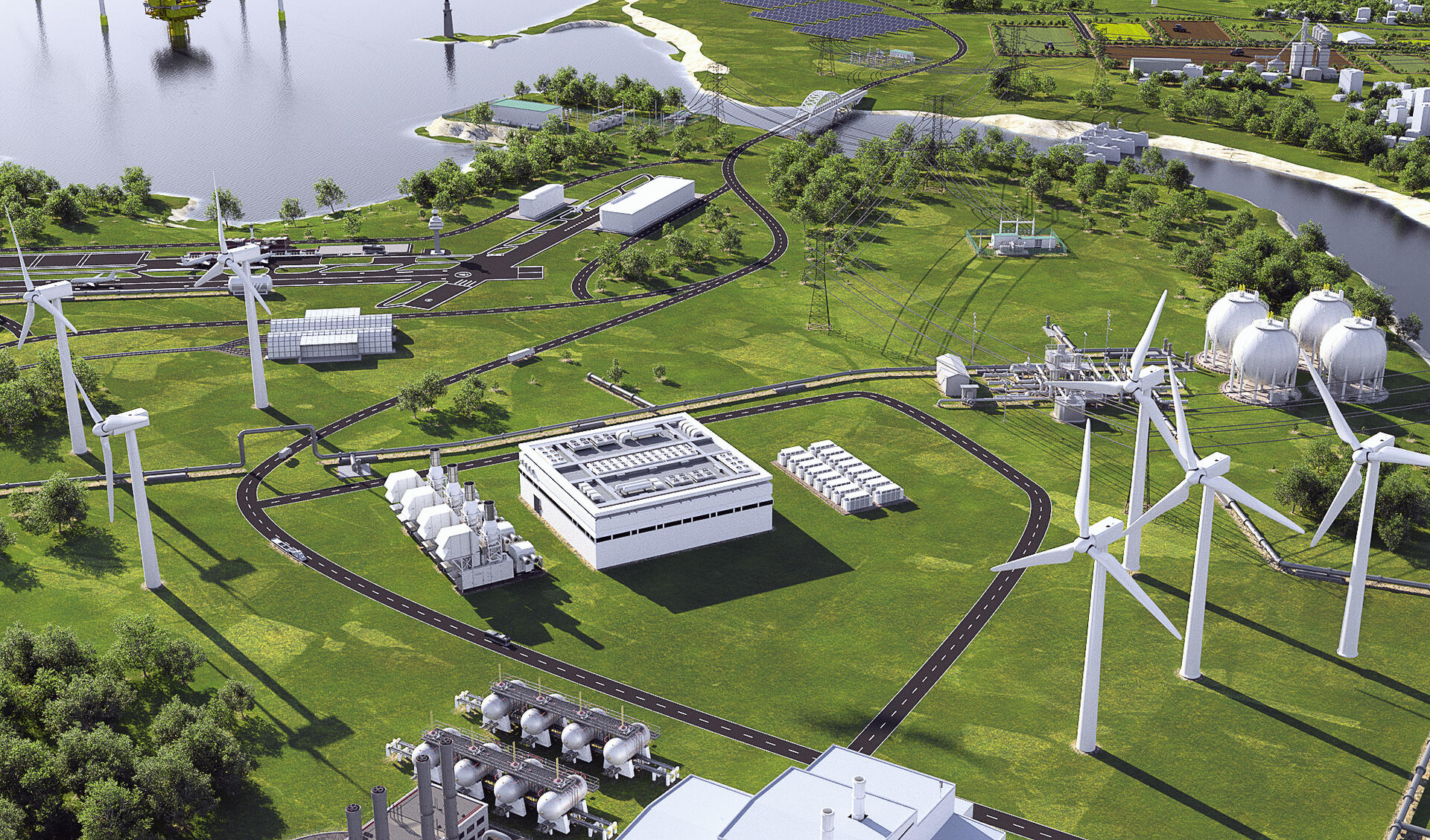
Renewables integrated with modern data infrastructure: the high-tech engine room of the AI era.
3. Electrifying Everything: Transport Leads the Charge
Electrified transport dominated with $893 billion in 2025, a remarkable 21% jump. This includes not just passenger EVs but also commercial vehicles (up 57% in some segments), charging networks, and battery supply chains.
The ripple effects extend to materials, manufacturing, and infrastructure. Angie Farrag-Thibault of the Environmental Defense Fund highlighted the transformation: “It was unimaginable that you could see a market like that exist today, even five years ago.”
4. Grid Modernization: The Critical, Often Overlooked Backbone
You can’t power a renewable future without robust grids. Global grid investment reached $483 billion, focusing on smart technologies, transmission upgrades, and flexibility solutions.
Over 3,000 GW of renewable projects worldwide sit in interconnection queues, underscoring the urgency. Upgrading grids isn’t glamorous, but it’s essential — and highly investable.
5. Innovation and Supply Chain Momentum
Clean energy supply chain investments grew 6% to $127 billion, covering factories for solar, batteries, wind equipment, and critical minerals. Climate-tech startups and growth funding reached significant levels, with selective but high-quality deals focusing on storage, efficiency, and hard-to-abate sectors.
Joshua Posamentier at Congruent Ventures predicts geothermal will gain traction: “Geothermal will be hot on solar’s heels in terms of new generation.”
Advanced solutions like long-duration storage, next-gen geothermal, green hydrogen (though still smaller at $7.3 billion), and even early fusion-adjacent technologies are moving from labs to commercial reality.

Future-ready EV infrastructure blending technology, sustainability, and everyday convenience.
6. Energy Security and Resilience: Lessons from Global Volatility
Geopolitical tensions and extreme weather have reinforced the value of domestic, dispatchable clean energy. Countries and corporations seek independence from volatile fuel imports. Local solar, wind, and batteries provide control and reliability.
Albert Cheung, Deputy CEO at BloombergNEF, captured this resilience: “This past year has showcased that despite policy and trade headwinds, the global energy transition is resilient and provides a number of opportunities for investors. As many economies look to strengthen energy security and build domestic supply chains, clean energy investment will continue to rise, especially as it relates to global data center buildouts.”
7. Corporate, Investor, and Market Voices: Real Money and Real Conviction
Leading voices across the ecosystem express measured optimism grounded in deployment:
- Po Bronson of SOSV’s IndieBio: “I’m still hearing about an ever increasing concentration of effort and focus on data centers virtually every single day in meetings, especially with corporates.”
- Laurie Menoud at At One Ventures: “Data centers are one demand driver, not the whole market,” while noting broader industrial and commercial adoption.
- Matt Rogers, founder at Incite and Mill: “We will see massive innovation where AI meets the physical world in 2026… Combining AI with smart hardware and physical infrastructure will ensure the transformation of trillion-dollar industries.”
Corporate PPAs, green bonds, and private capital continue flowing as ESG evolves into value-driven strategy.
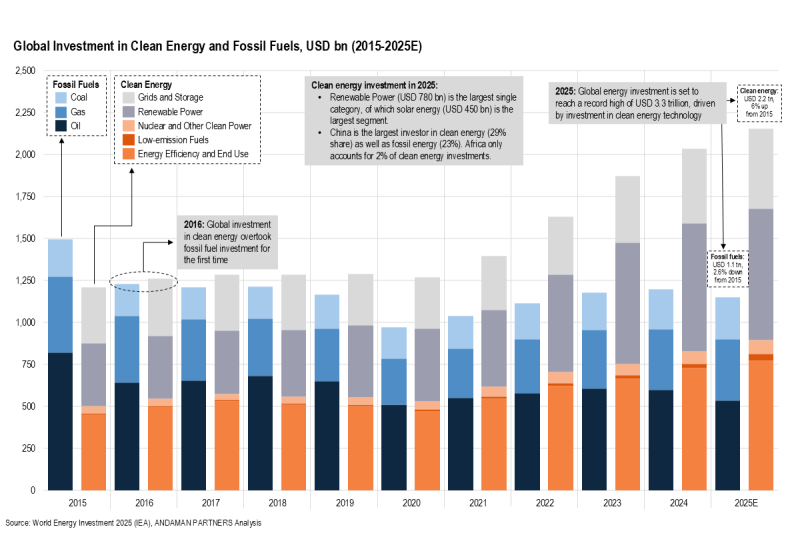
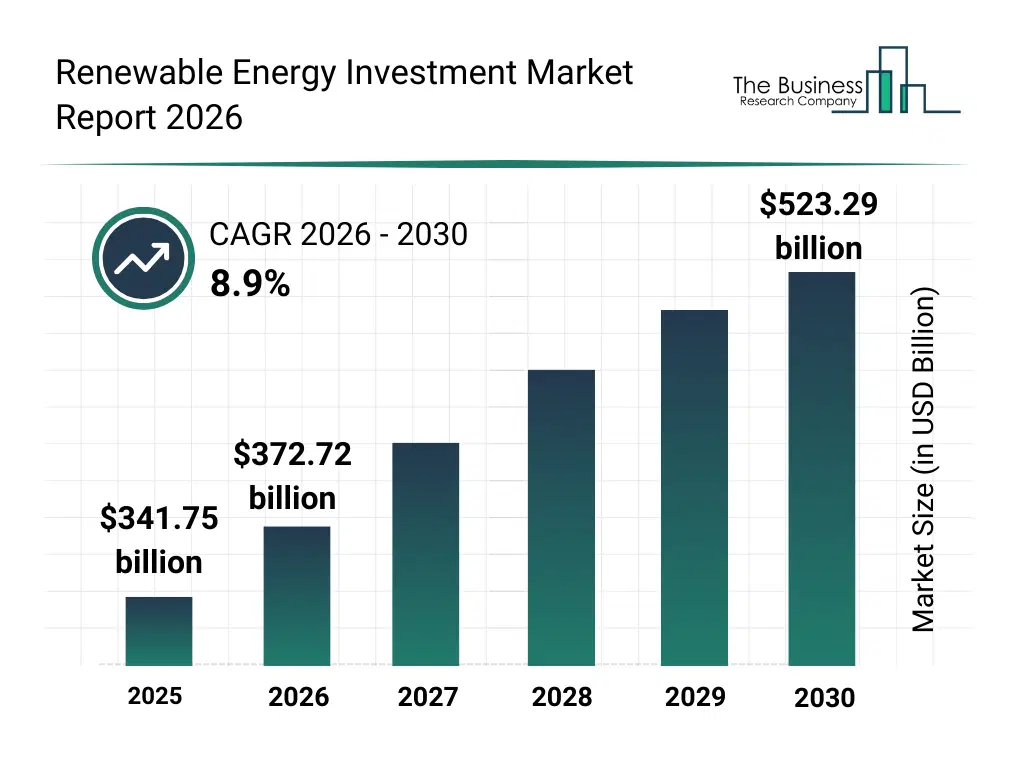
Investment trend charts tell the story: clean energy has pulled decisively ahead, with forecasts pointing higher.
Challenges on the Horizon — And Why the Trend Endures
No boom is without friction. Renewable energy investment dipped 9.5% in some major markets due to regulatory changes and overcapacity pressures. Permitting delays, grid bottlenecks, supply chain adjustments, and policy uncertainty create headwinds. Climate-tech deal counts moderated even as capital stabilized or grew modestly in key segments.
Yet the fundamentals remain powerful. BloombergNEF’s base-case scenario projects average annual transition investment climbing to $2.9 trillion over the next five years. IRENA and IEA analyses emphasize that scaling grids, storage, and efficiency remains critical to closing gaps toward 1.5°C pathways.
Why This Matters to You — Investor, Business Leader, or Curious Observer
This isn’t abstract macroeconomics. Falling energy costs benefit households and businesses. New jobs emerge in manufacturing, installation, tech, and services. Energy security strengthens economies against shocks. Innovation in green tech spills over into other sectors, driving productivity.
The green wave has become the main current of the global economy. It delivers returns, solves pressing problems, and builds resilience. As 2026 unfolds, expect continued acceleration fueled by AI demand, technological maturation, and the inescapable economics of clean power.
The transition isn’t slowing — it’s evolving into a more mature, resilient, and profitable phase. The question isn’t whether to participate, but how best to ride the surge.
Sources include BloombergNEF Energy Transition Investment Trends 2026, IEA World Energy Investment 2025, expert commentary from industry leaders, and supporting analyses from IRENA and others.